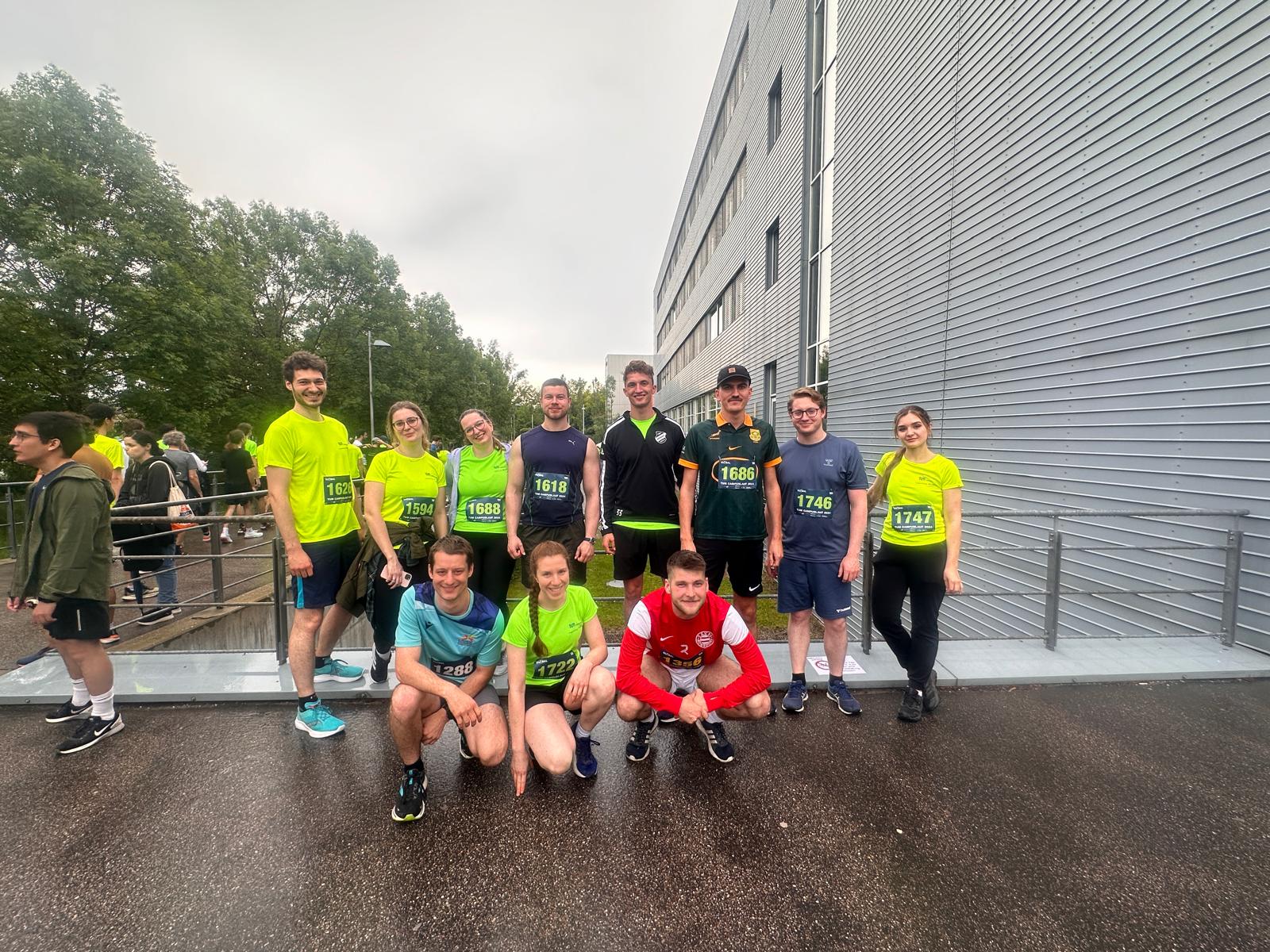
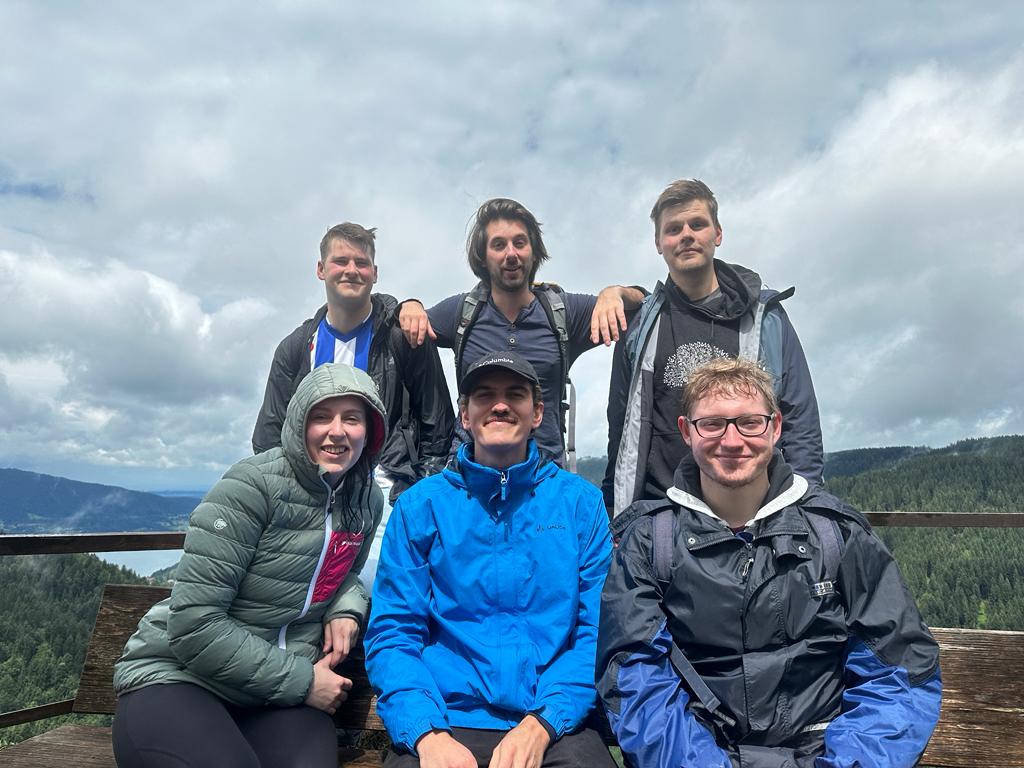
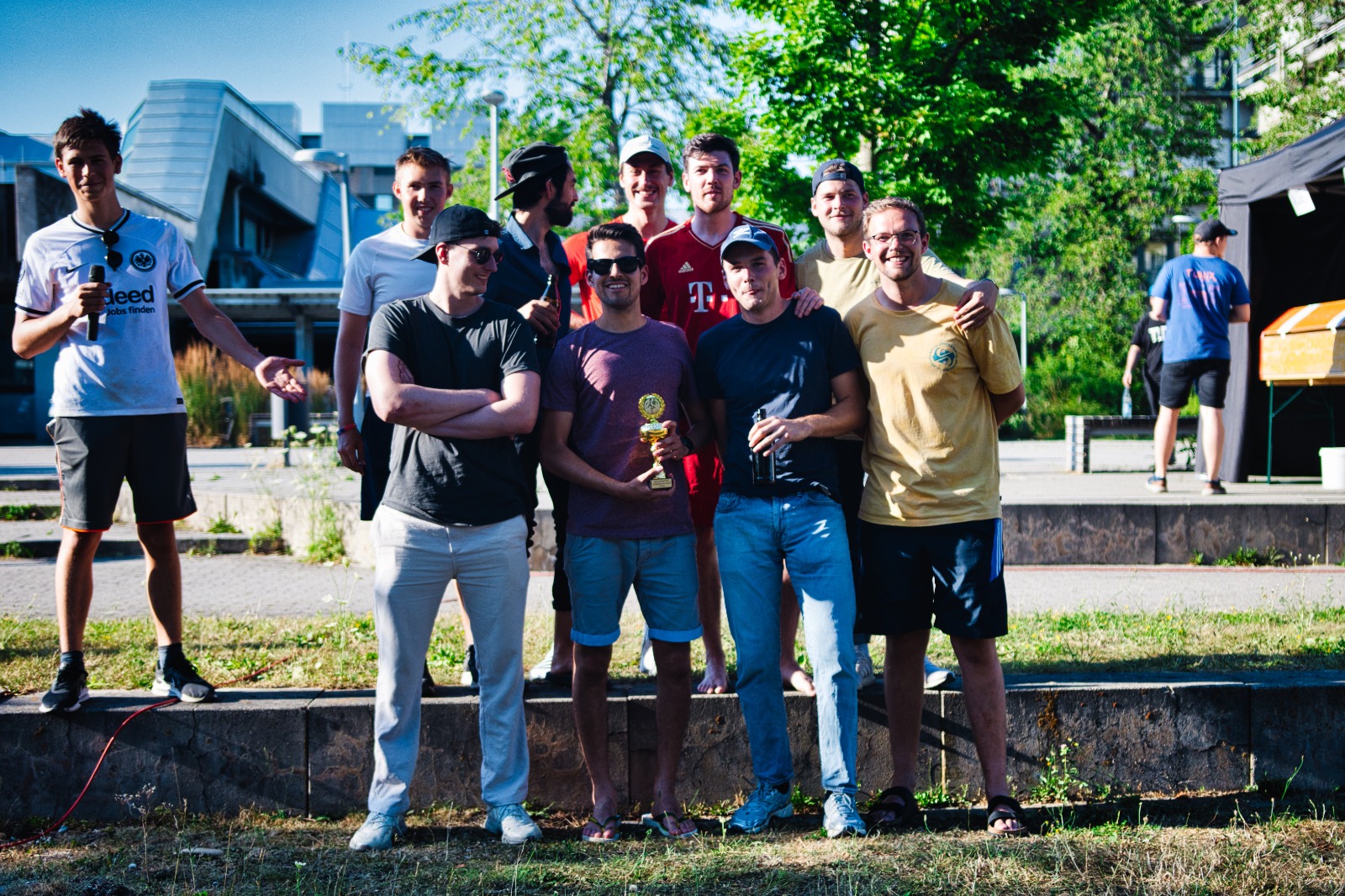
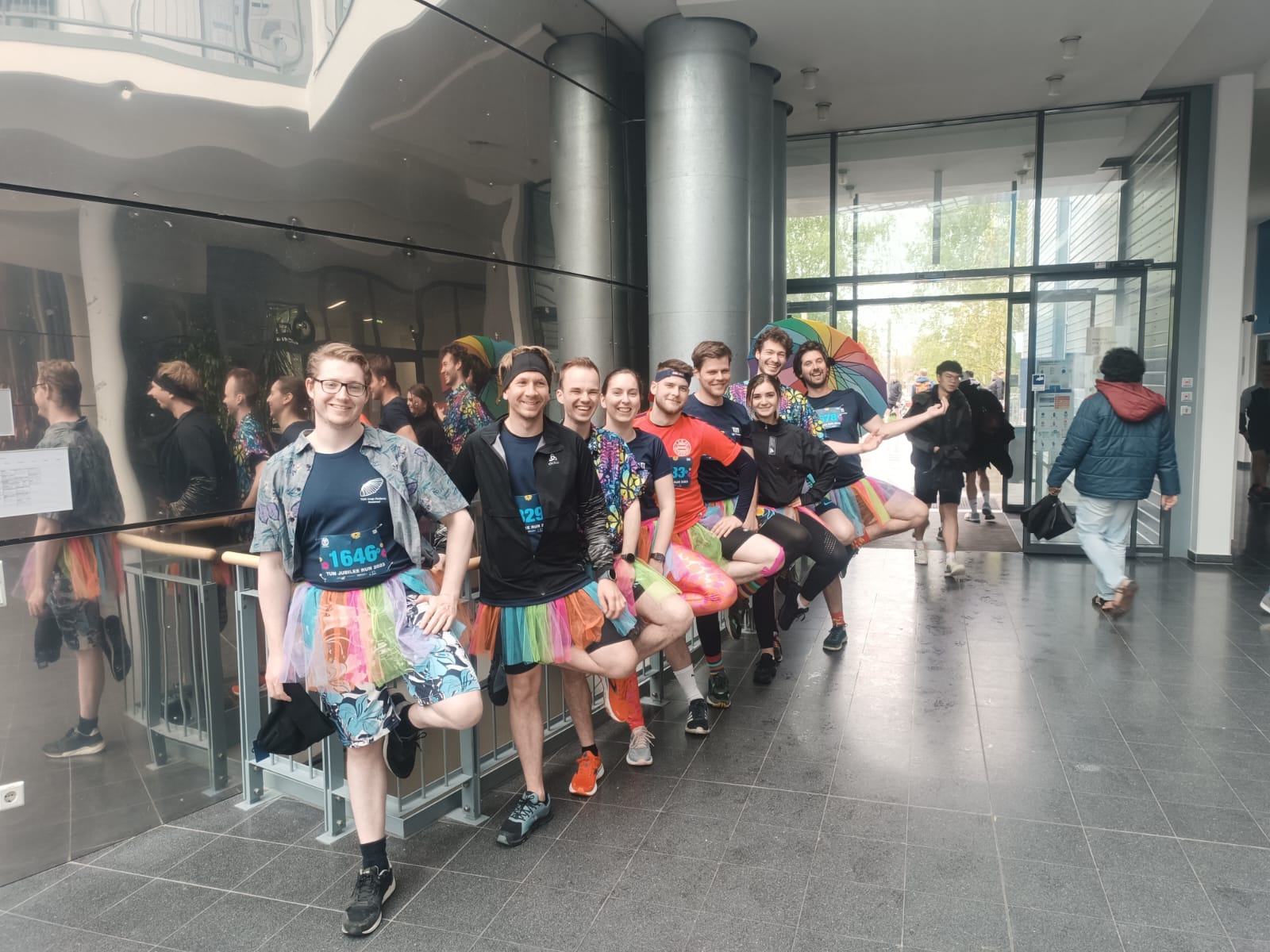
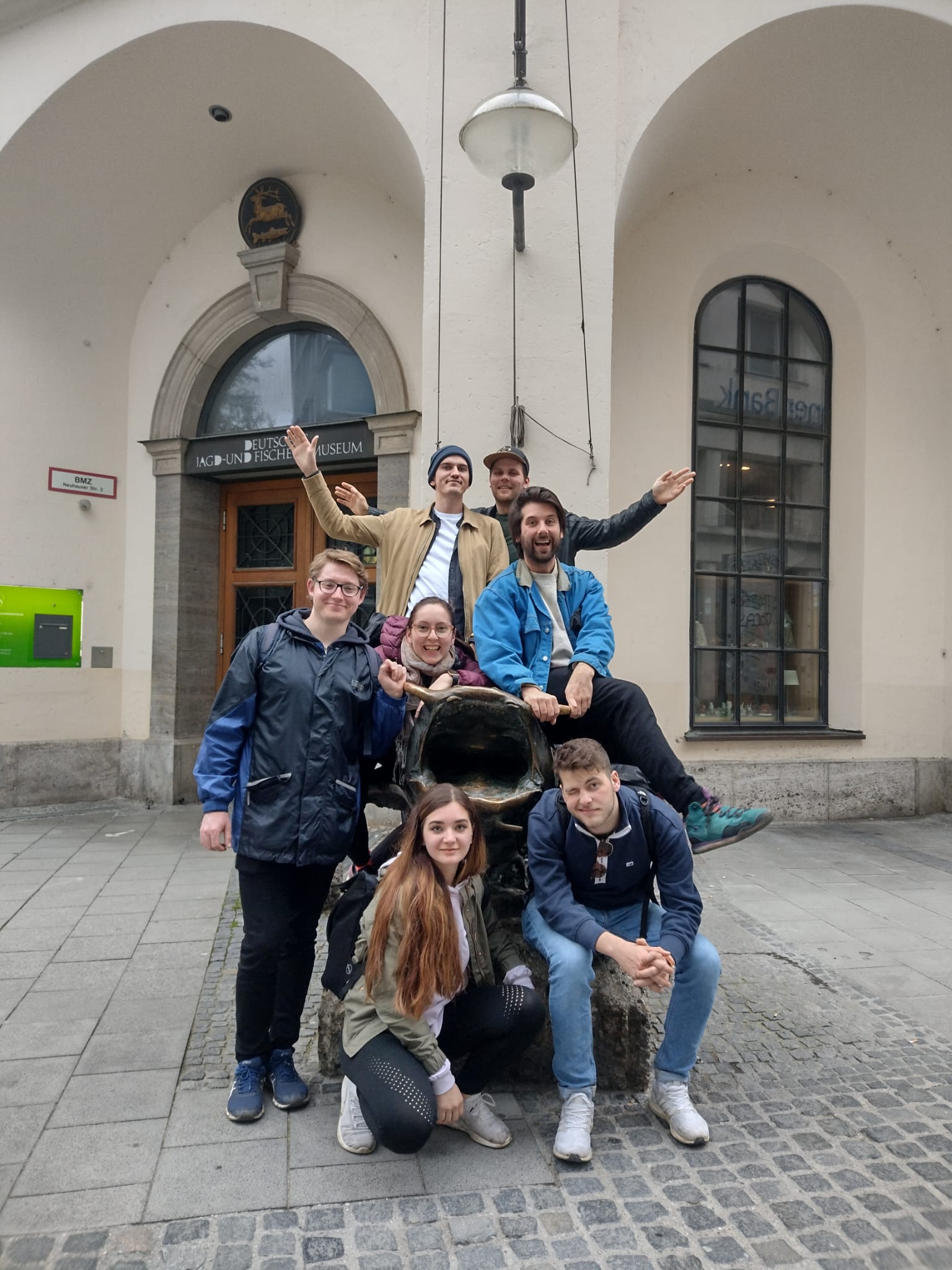
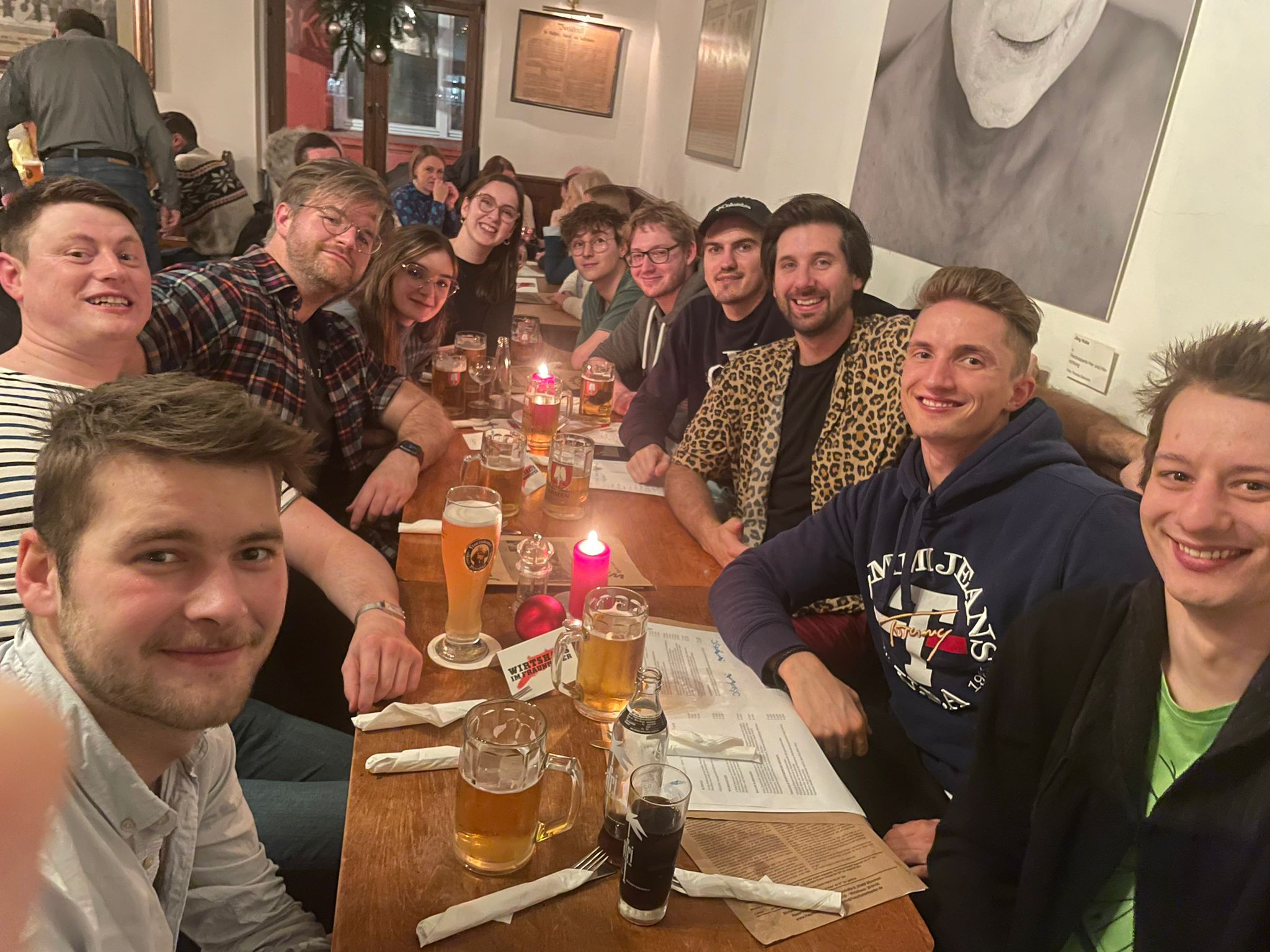
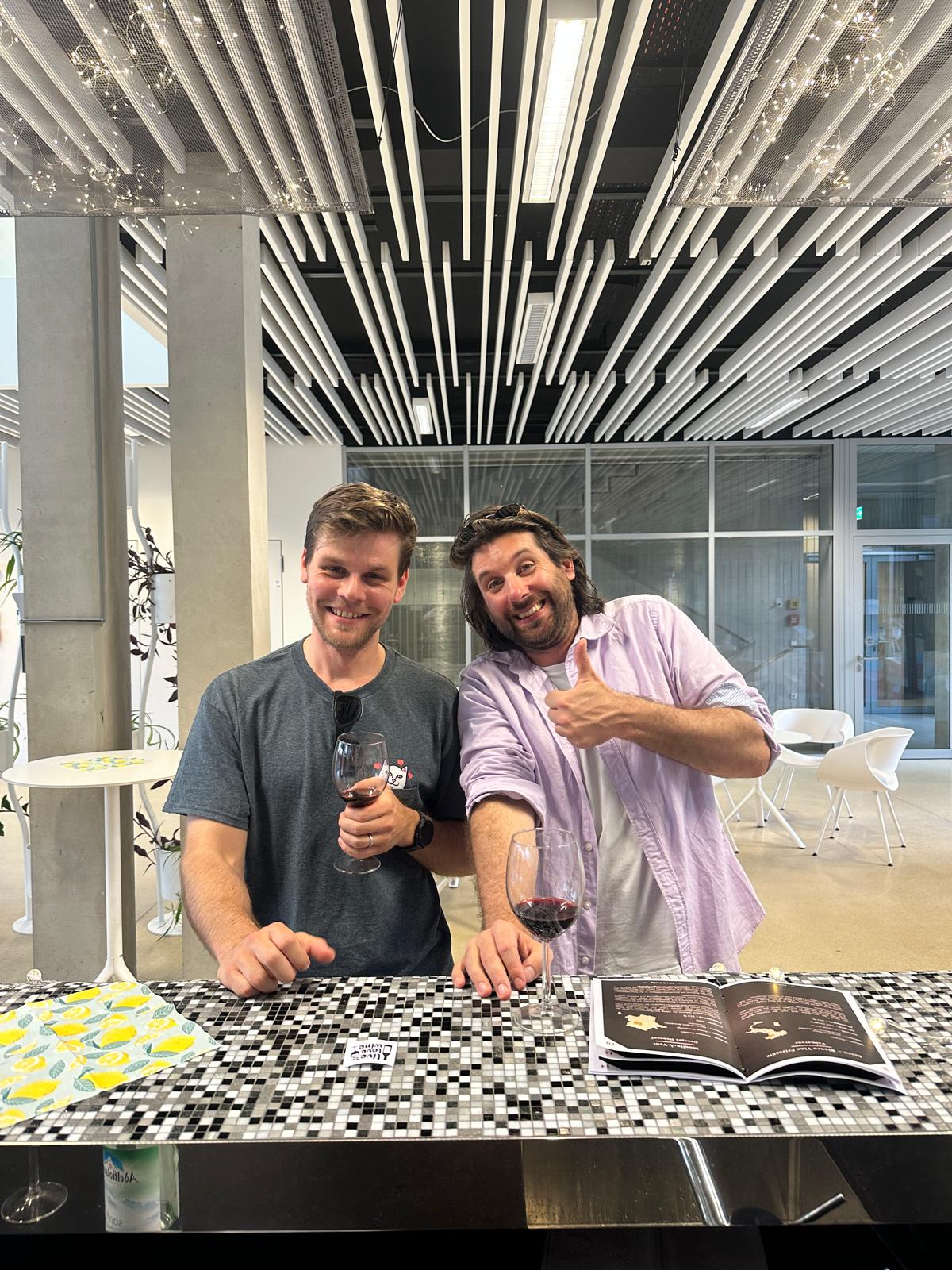
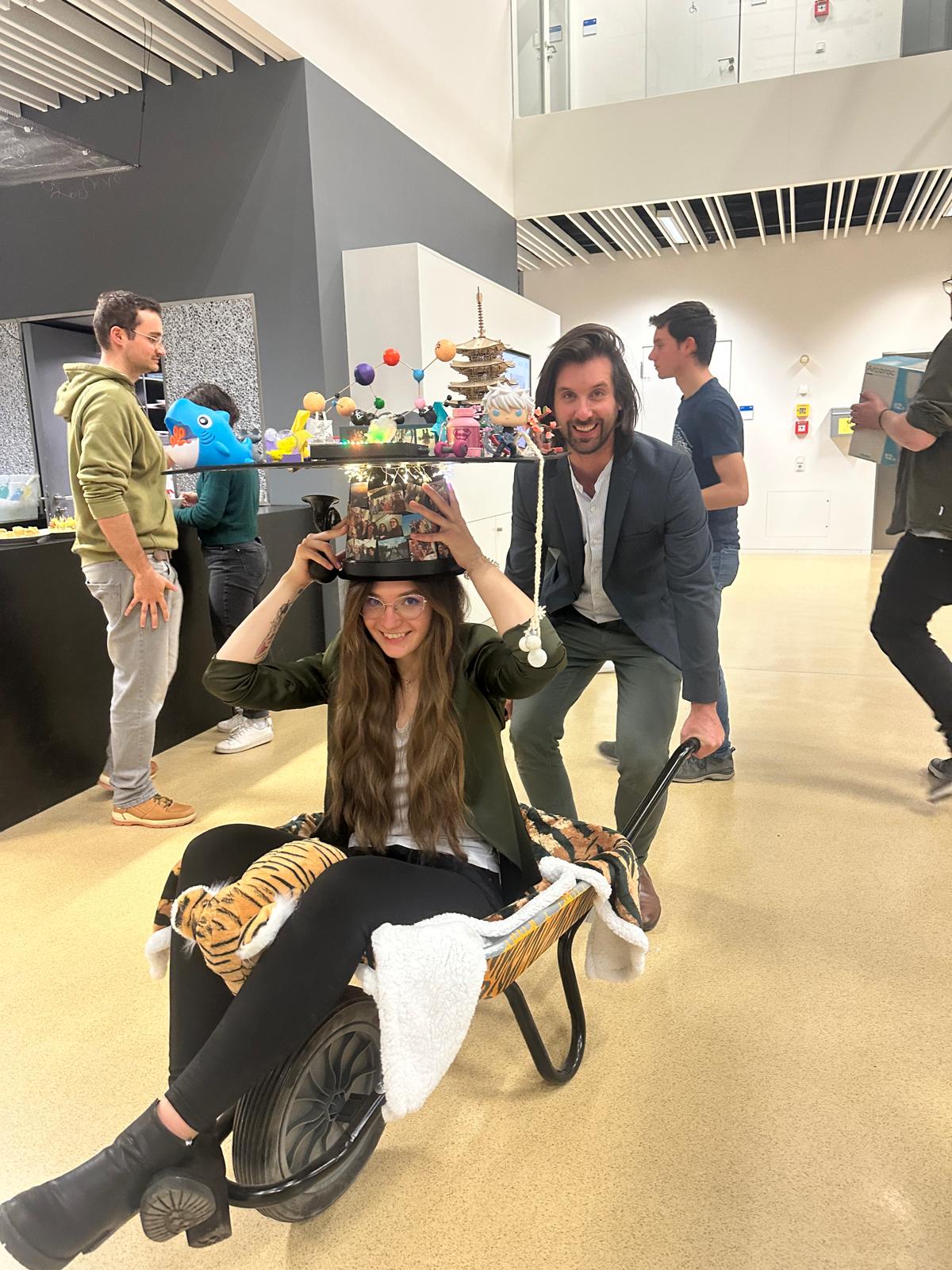
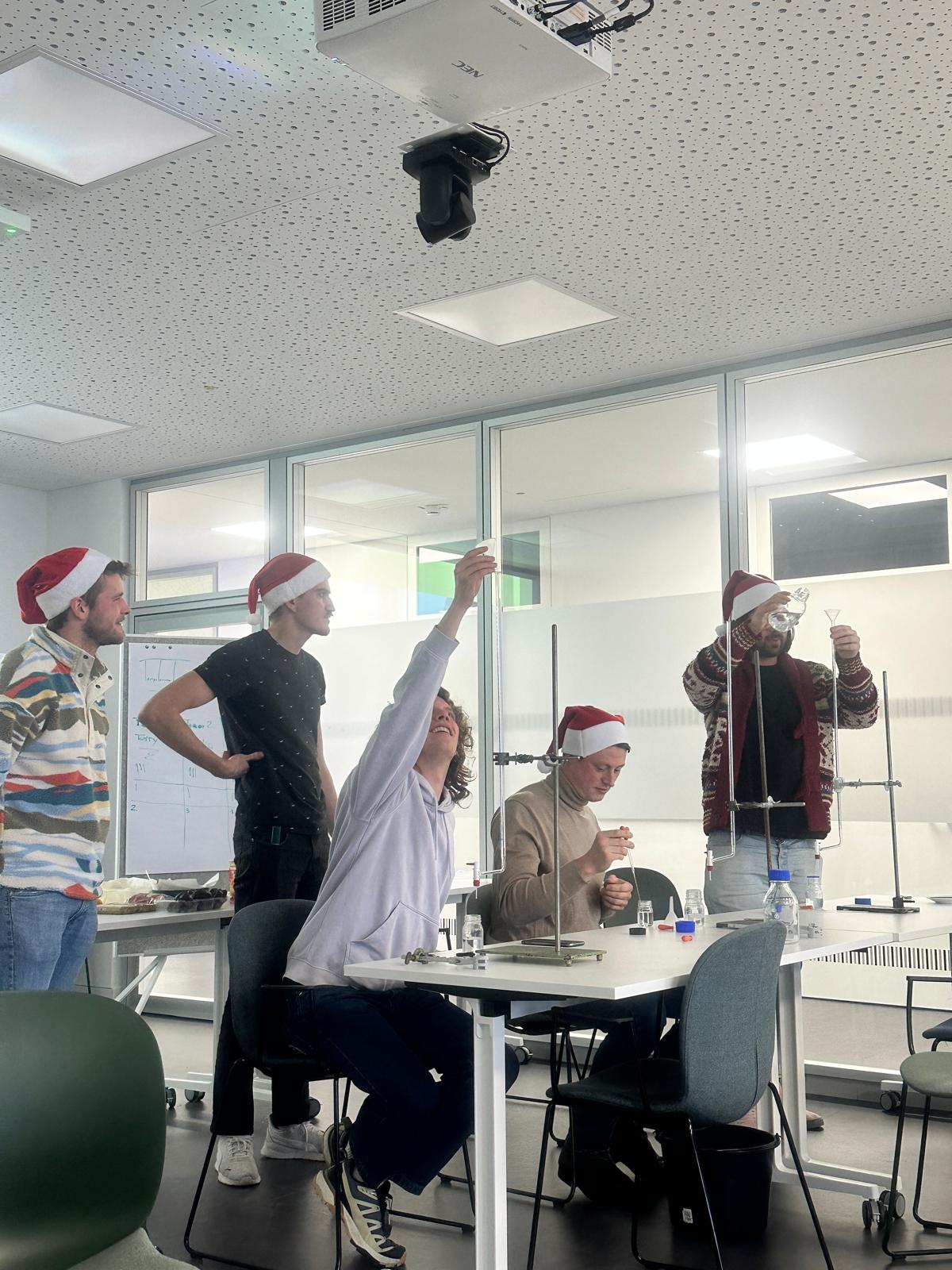
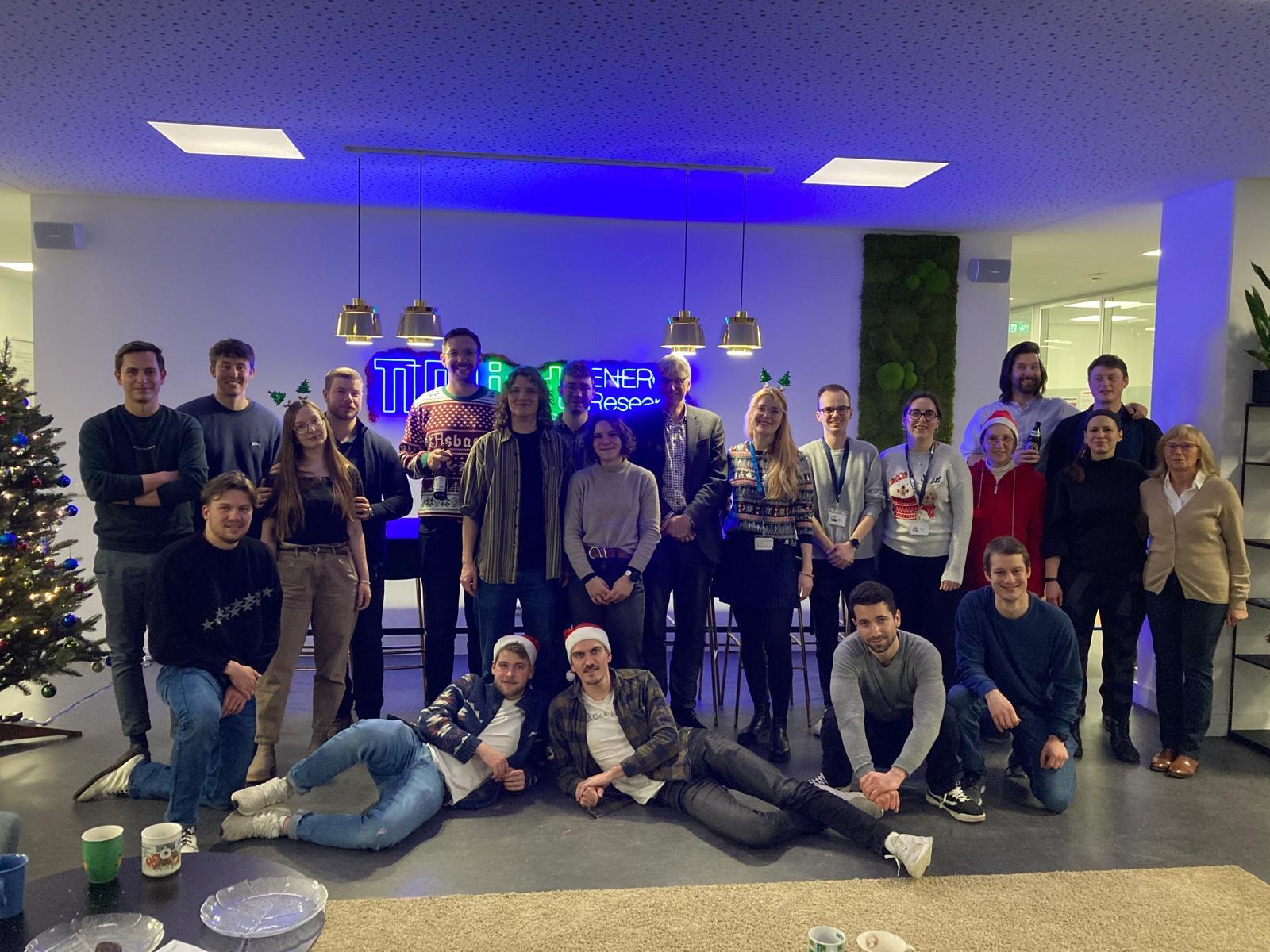
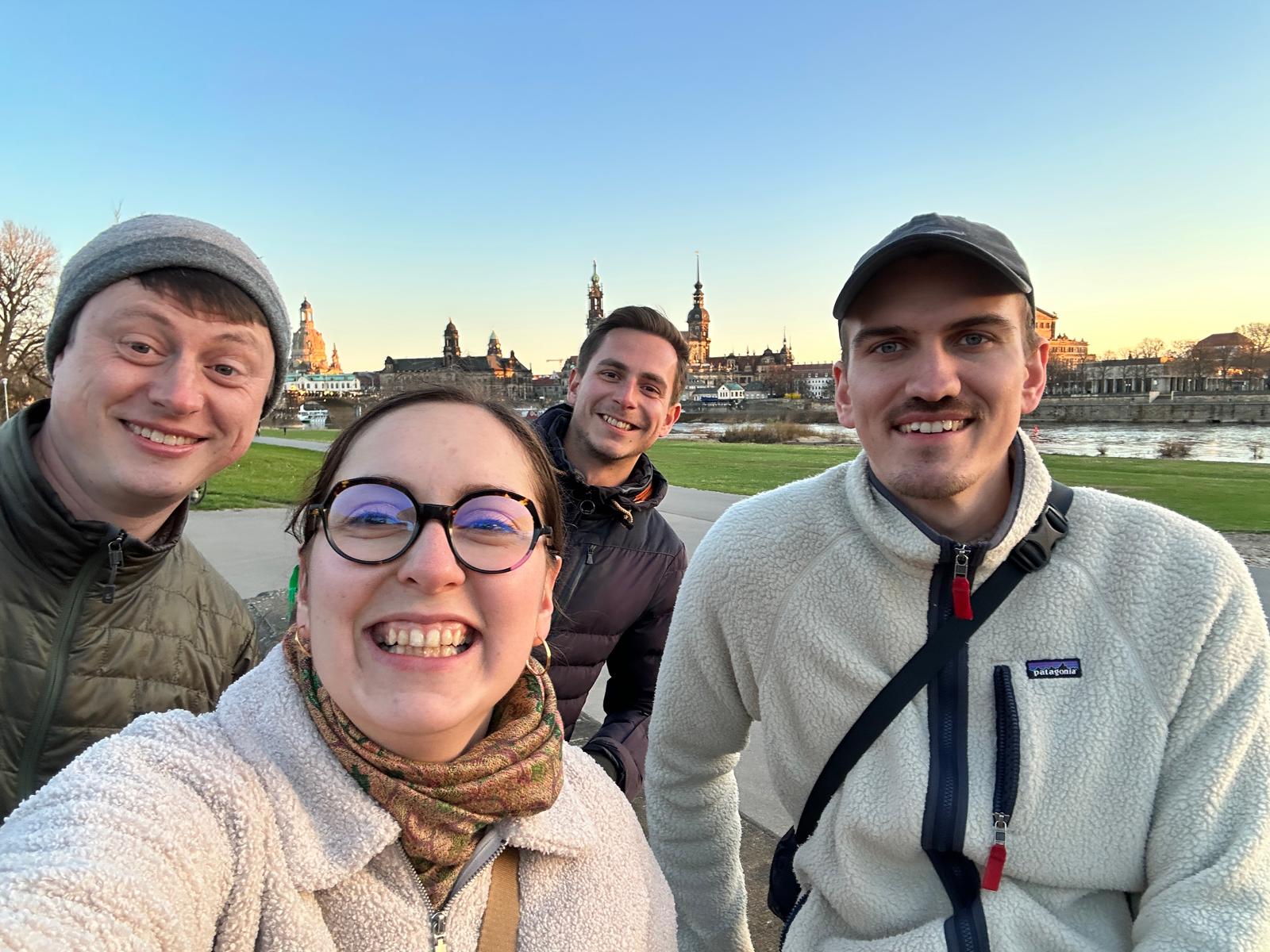
Here are the people behind the chemistry
Terrance/Terry/T
Already spending most of his time writing in the office or agonising over what glassware to spend precious funding on, find out more about Terrys back ground here.

PostDocs
The ones doing the even harder work! Meet the PostDocs
Dr. Li Feng Lim

Cationic Group 14 Single-Centre Ambiphiles
Background and Publications
Contact
✉ lifeng.lim@anu.edu.au
⚐ CRC 2036
Dr. Dat Tien Nguyen

Alkaline-Earth Metal Chemistry
Background and Publications
B.Sc. – VNU University of Science (Assoc. Prof. Minh-Hai Nguyen), 2021
M.Sc. – Monash University (Prof. Cameron Jones), 2026
PostDoc – joined in 05/2026
●
D. T. Nguyen, C. Czernetzki, J. M. Parr, C. Jones, ChemRxiv 2026.
D. T. Nguyen, R. Mondal, M. J. Evans, J. M. Parr, C. Jones, Angew. Chem. Int. Ed. 2025, 64, e202500264.
M. J. Evans, D. T. Nguyen, J. M. Parr, J. Mullins, R. Mondal, T. Rajeshkumar, L. Maron, C. Jones, Chem 2025, 11, 102650.
D. T. Nguyen, C. Helling, M. J. Evans, C. Jones, Inorg. Chem. 2024, 63, 12, 5718-5726.
Contact
✉ dattien.nguyen@tum.de
⚐ CRC 2036
PhD students
The ones doing all the hard work! Meet our PhD students
Till Kalkuhl

Gallium and Indium Metalloligand Transition Metal Systems
Background and Publications
B.Sc. – University Heidelberg (Prof. Dr. Lutz Greb), 2020
M.Sc. – Technical University of Munich (Dr. Terrance Hadlington), 2022
PhD – joined in 01/2023
●
T. L. Kalkuhl, L. Qin, L. Zhao, G. Frenking, and T. J. Hadlington, Chem. Sci., 2023, 14, 11088-11095.
T. L. Kalkuhl, I. Fernandez, T. J. Hadlington, Chem, 2025, 11, 102349.
T. L. Kalkuhl, I. Fernandez, T. J. Hadlington, J. Am. Chem. Soc., 2025, 147, 46373–46383.
Contact
✉ t.kalkuhl@tum.de
⚐ CRC 2035
Lisa Kreimer

Colorful Aryl-Phosphinidenes – Reactivity and optoelectronic Properties
Background and Publications
B.Sc. – Technical University of Graz (Prof. Dr. Christoph Marschner), 2020
M.Sc. – Technical University of Munich (Dr. Terrance Hadlington), 2022
PhD – joined in 01/2023
●
L. N. Kreimer, T. J. Hadlington, Chem. Sci., 2024, 15, 14154-14160.
L. N. Kreimer, T. J. Hadlington, Eur. JIC, 2025, 28, e202400659.
Contact
✉ lisa.kreimer@tum.de
⚐ CRC 2035
Malte Kubisz

Alkaline-Earth Metals for Multi-Component Coupling Chemistry
Background and Publications
B.Sc. – Technical University of Munich (Prof. Dr. Shigeyoshi Inoue), 2021
M.Sc. – Technical University of Munich (Dr. Terrance Hadlington), 2023
PhD – joined in 02/2024
●
P. M. Keil, S. Ezendu, A. Schulz, M. Kubisz, T. Szilvási, T. J. Hadlington, J. Am. Chem. Soc., 2024, 146, 23606–23615.
M. Kubisz, I. Fernandez, T. J. Hadlington, Chem. Commun., 2026, 62, 7519-7523.
Contact
✉ malte.kubisz@tum.de
⚐ CRC 2035
Jonas Gilch

Group 13 and Group 14 Single-Centre Ambiphiles
Background and Publications
B.Sc. – Technical University of Munich (Prof. Dr. Tom Nilges), 2020
M.Sc. – Technical University of Munich (Dr. Mirza Cokoja), 2023
PhD – joined in 01/2024
●
J. M. Gilch, P. M. Keil, M. Iddrisu, T. Szilvási, T. J. Hadlington, Chem. Sci., 2026, 17, 7938-7946.
Contact
✉ jonas.gilch@tum.de
⚐ CRC 2036
Emeric Schubert

Tripodal Group 14 Single-Centre Ambiphile Systems
Background and Publications
Contact
✉ emeric.schubert@tum.de
⚐ CRC 2036
Yuchao Liu

Cationic Group 14 Single-Centre Ambiphile Systems
Background and Publications
Contact
✉ yuchao.liu@tum.de
⚐ CRC 2035
Master Students
Our current Master Thesis students, pushing the boundaries of main group-transition metal chemistry (just for a slightly shorter time)
Previous Students
The students that have been through the Hadlington lab so far, all playing an important role in our chemistry!

Single-Centre Ambiphile Ligands for Cooperative Bond Activation
⚐ Scientist @ Roche Diagnostics

Synthesis and Catalytic Utility of Cationic Chelating Tetrylene 3d-Metal Complexes
⚐ SAP Consulting @ SI PRO GmbH
Master Thesis Students
- Laura Koutas (TUM) –
- Simona Hanuliaková (TUM) – Exploration of Donor-stabilized Phosphinidenes and Bis-Phosphinidenes towards Transition Metal Complexes
- Malte Kubisz (TUM) – Evaluating Coordination-induced bond weakening in SCA complexes
- Till Kalkuhl (TUM) – Group 13 Single-Centre Ambiphiles
- Lisa Kreimer (TUM) – From donor-stabilized bis-phosphinidenes to macrocyclic, low-valent phosphorus compounds
- Emeric Schubert (TUM) – Higher-denticity tetrylene ligands
- Anton ‘Toni’ Fischbacher (TUM) – GaI Single-Centre Ambiphile complexes of Ni0
Bachelor Thesis Students
- Jonas Krapp (TUM) – Al Single-Centre Ambiphile Complexes of Iron
- Laurin Scheibenbogen (TUM) – Towards Low-valent Xanthene-derived Phosphorus-Transition Metal Chemistry
Master Intern Students
Julian Zuber (TUM) • Kristof Hintzer (TUM) • Alexander Frantz (TUM) • Lena Schröck (TUM) • Richard Zell (TUM) • Emeric Schubert (TUM) • Tim Wellnitz (LIKAT Rostock) • Björn Smolka (TUM) • Malte Kubisz (TUM) • Till Kalkuhl (TUM) • Lisa Kreimer (TUM) • Tommy Andrijanic (TUM) • Yingzhe Nan (TUM) • Niklas Vogel (TUM) • Nico Liebl (TUM) • Christopher Dirr (TUM) • Sebastian Knaup (TUM) • Laurin Scheibenbogen (TUM)
Behind the scenes